
Founders
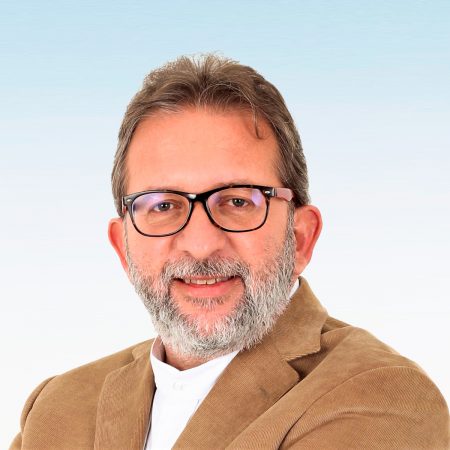
Aerton Paiva
Aerton Paiva is a business administrator and anthropologist, founder and president of Instituto Interelos. Working for more than 20 years in socioeconomic projects, he was responsible for the modeling and implementation of the Terra Forte Program, with the Federal Government, between 2013 and 2018, aimed at the implementation of agro-industries in agrarian reform settlements, among countless other programs.
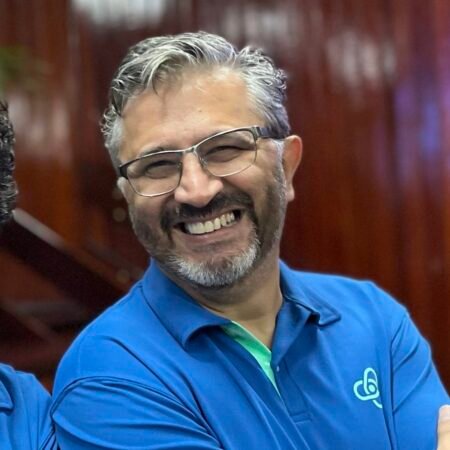
Marcos Tadeu
Marcos Tadeu is a business administrator and founder of Instituto Interelos. He worked in the structuring and implementation of the One Million Cisterns Program (2003 to 2013), together with entities of the Federal Government, Private Initiative, and Non-Profit Sector. He also worked in the structuring of Compensation Models to repair the accident in Mariana-MG, together with the Renova Foundation.
Management

Viviane Aguiar, President
Viviane Aguiar is a specialist in business law and conflict management, post-graduating in Sustainability and ESG, with solid experience in the area of socioeconomics, mainly in reparation projects. Worked in the process of repairing the rupture of the Fundão dam in Mariana/MG, based on engagement with various stakeholders, innovation, territorial analysis, negotiation and conflict resolution. At Interelos, she is a legal consultant with a focus on socioeconomics.
Marcos Tadeu, Vice-President
Marcos Tadeu is a business administrator and founder of Instituto Interelos. He worked in the structuring and implementation of the One Million Cisterns Program (2003 to 2013), together with entities of the Federal Government, Private Initiative, and Non-Profit Sector. He also worked in the structuring of Compensation Models to repair the accident in Mariana-MG, together with the Renova Foundation.
Advisors
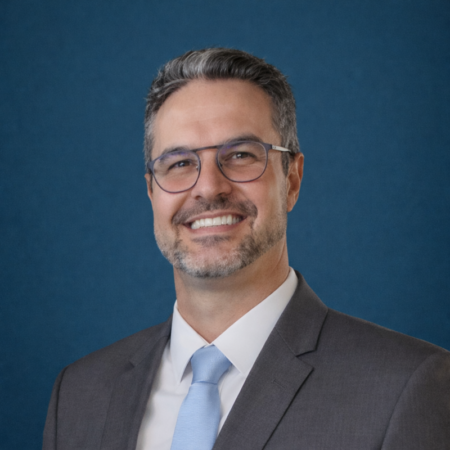
Emiliano Graziano
Agronomist, entrepreneur, and ESG specialist, he directs the Instituto Fome. He combines experience as a rural producer, Corporate Sustainability Manager at BASF for South America, and collaborator with international organizations such as FAO, UNDP, IFAD, and UNESCO. He was a member of ABNT/CEE-111 for over 13 years and has extensive experience in ESG governance and social impact.
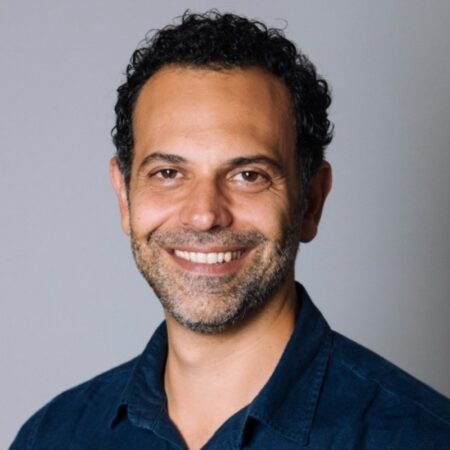
Fernando Assad
CEO and co-founder of Vivenda, he leads the first Brazilian platform for managing housing improvement programs. He works on developing solutions that support governments, companies, and social organizations in expanding access to decent housing. His work has already contributed to the renovation of thousands of homes and has received recognition from international organizations such as UN-Habitat, Habitat for Humanity, and the Inter-American Development Bank.
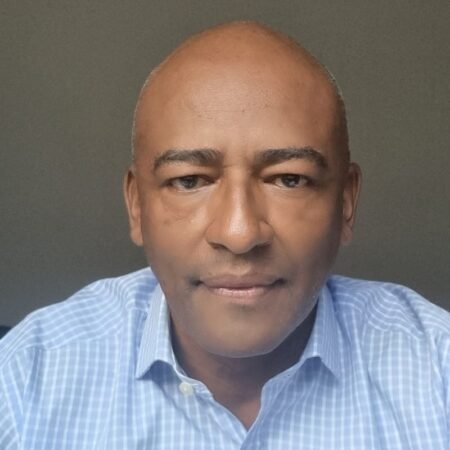
Helcio Borges
Civil and Sanitary Engineer, Specialist in Public Policies and Master in Education, Social Management and Local Development. Works in Institutional, Governmental and Community Relations. Since 2008, he has been a pioneer in contributing to the debate on the absence of Black leadership in the mining sector, driving transformations that now influence the sector.

Maiara Vieira
Lawyer, Master's degree in Tax Law from UFMG and Bachelor's degree in Accounting Sciences. More than 10 years of experience in executive management in the third sector, working in governance, compliance and institutional structuring. Director of IBEF Jovem, she is a consultant specializing in foundations and social organizations. Creator of the Impulsione Institute, focused on strengthening the management and impact of social initiatives.
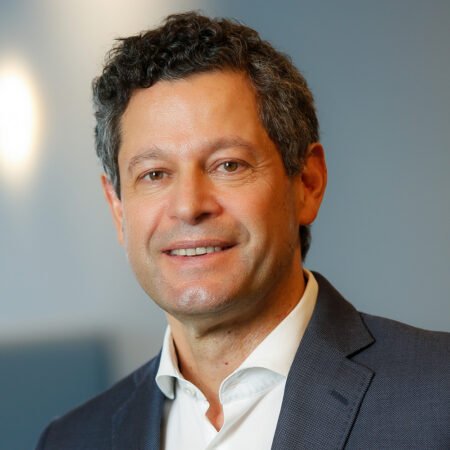
Marcelo Alvalá
With 30 years in the Financial Market and solid knowledge in Banking and Insurance Products, he has worked in multinational banks in the areas of Information Technology, Digital Channels, Customer Service, Product Engineering, Innovation Processes, Project Management, Operations, Purchasing and Building Installations, regularly managing large technical teams.
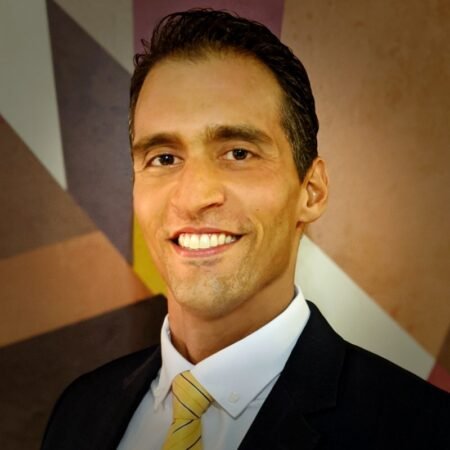
Victor Pimenta
A partner at the law firm FW&C Advogados Associados, he holds a doctorate and is a professor at PUC Minas, with an MBA in Financial Management and Controllership and a specialization in Tax Law. Author of books and legal articles, he is a member of ABRADT, a judicial mediator at TJMG, and certified as a DPO by Exin.
Team
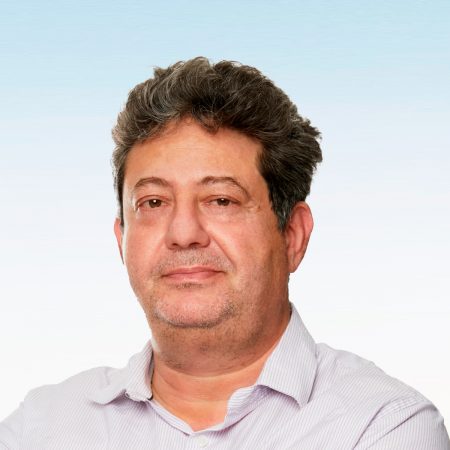
Antonio Bunchaft
Antonio Bunchaft is an economist, master in urbanism, specialist in ESG/SDG and project management in sustainability, circular economy and income generation. He has been working for 25 years in national and international technical cooperation projects, fostering socioenvironmental impact startups, socioenvironmental studies, and assessments.

Debora Martinez
Debora Martinez is a communicator and has been working for 20 years with organization, planning and management of flows and finance processes. She is responsible for monitoring the implementation of funds received in projects developed by the Interelos Institute and supporting auditing and compliance.
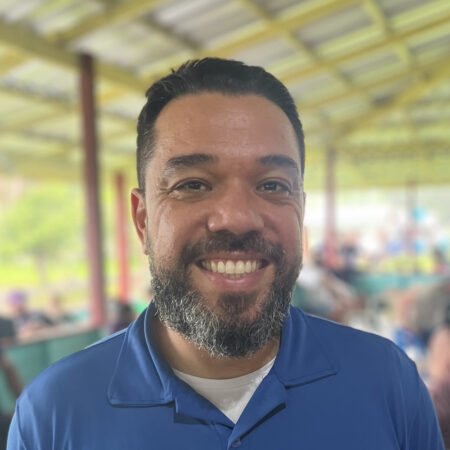
Felipe Cavalcanti
Administrator with specializations in business, people, and project management. Possesses over 15 years of experience in business management and institutional relations in the private and non-profit sectors. Coordinated the creation and execution of corporate and social policies and led socioeconomic projects in the remediation of Brazil's largest environmental disaster.
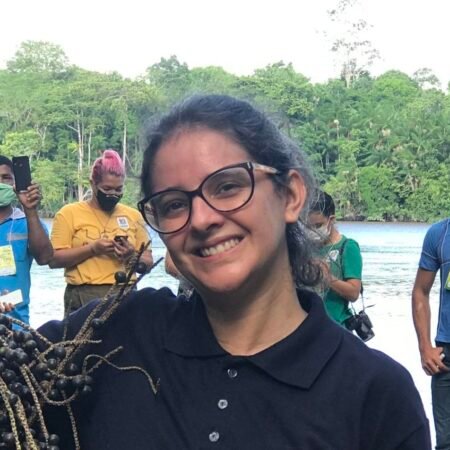
Mariana Chaubet
Mariana Chaubet holds a bachelor's degree in environmental management from USP. She has been working for 10 years in projects involving community forest management, socioenvironmental certification, local engagement, and public policy advocacy. She was responsible for negotiating the Bailique and Beira Amazonas Community Protocols in the field. She has worked and/or worked as consultant in organizations such as FSC Brasil, OELA, TFA 2020.
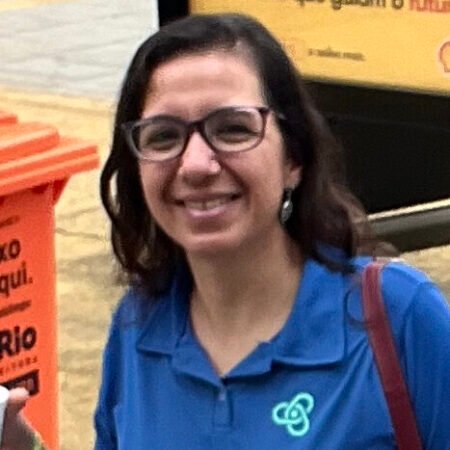
Mayte Benicio Rizek
Mayte Benicio Rizek is a geographer with a master's degree and a doctorate in forest management and the socioeconomics of communities in the Brazilian Amazon. She has been working for more than 15 years with research in national and international organizations, has experience in methodological definition, primary data collection, systematization of databases and evaluation of socioeconomic effects of Conservation & Development initiatives involving communities.

Murilo Castro
Murilo Castro is an economist graduated from FEA-USP, post-graduated in Corporate Finance and Controllership from FGV-SP, having worked at LCA Consultoria in the area of Investments and Corporate Finance with a focus on economic studies. He currently works for Interelos with a focus on developing community-based value chain studies.
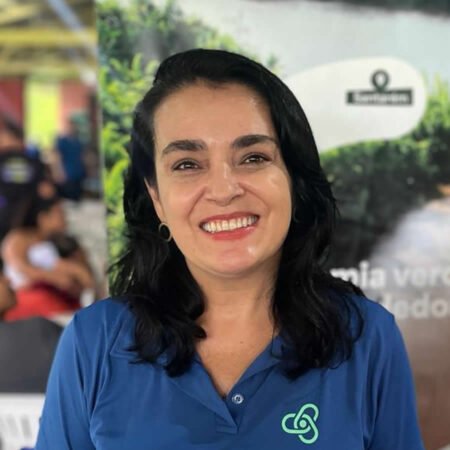
Nathalia Ferreira
A lawyer specializing in social management, she has extensive experience in community relations, stakeholder engagement, social indicators, and topics such as inclusion, diversity, human rights, and entrepreneurship. She works in the articulation of partnerships and financing mechanisms, with a solid track record in Public-Private Partnerships, including leading the implementation and management of the PPP for the Ribeirão das Neves Penitentiary Complex (MG).
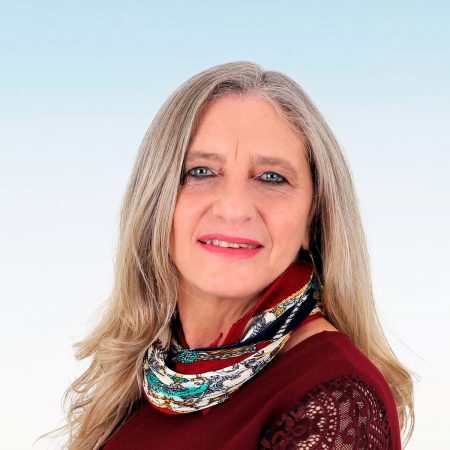
Paula Cristina Columbus
Paula Cristina Colombo is a businesswoman and has been working in the administrative and financial area for over 20 years. She provides support in logistics and travel, is responsible for filling in project records and spreadsheets, provides support in contracting suppliers, monitoring and controlling budget expenses; operationalization of the certificate of completion of the project or term of termination, filing of documents.

sandra colombo
Sandra Regina Colombo is an accountant, with 30 years of experience in the financial and administrative areas of private companies. At the Interelos Institute, it provides support to financial and administrative management, complementing the activities carried out.

Sandro Marques
Sandro Marques holds a master's degree in Languages from USP and is a specialist in Food Studies from SENAC, where he is also a postgraduate professor. He worked as an executive in the Sustainable Development area of Banco Real/Santander and has been developing strategy, education and communication projects in the ESG and socioeconomic areas for 15 years.

Tiago Bacci
Tiago Durand Bacci is a foreign trade analyst with a postgraduate degree in business management. He worked in the expansion of the commercial department of the institution Amigos do Bem, contributing to the generation of income in communities in the semiarid region of AL, CE and PE. At Instituto Interelos, he works in the development of community-based value chain studies and in the management of socioeconomic projects.
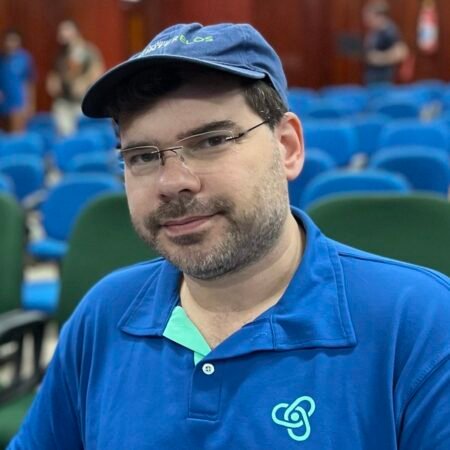
Wagner D'Onofrio Junior
Wagner D'Onofrio Junior holds a bachelor's degree in philosophy and business administration from USP and a master's degree in international cooperation project management. He has been working for more than 10 years on socioeconomic projects. He was responsible for the financial modeling of the ReDes Program, a partnership between BNDES and Instituto Votorantim. He has been working since 2018 in structuring the commercial operation of Amazonbai, a cooperative of açaí producers in Amapá.